From Non-Verbal to Communicative: Understanding the Autism Voice
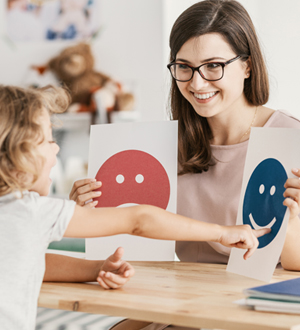
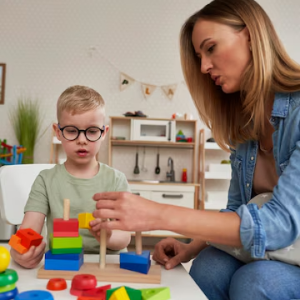
Non-verbal autism support focuses on helping each child find their unique way to communicate. In clinic-based autism therapy, this often involves:
- Assessing current communication abilities – identifying strengths and areas for growth.
- Introducing appropriate methods – speech, sign language, or assistive communication devices.
- Providing targeted social communication training – tailored to the child’s individual needs.
- Encouraging consistent practice – building skills through repetition in a supportive environment.
- Focusing on self-expression – enabling children to share thoughts, needs, and feelings with confidence.
The ultimate goal is for every child to discover their own “voice” in a way that feels natural and empowering.